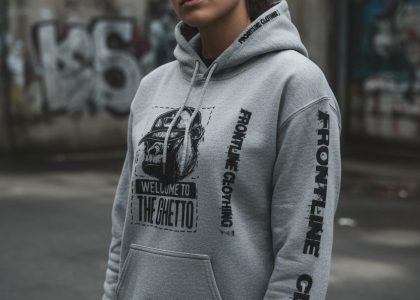
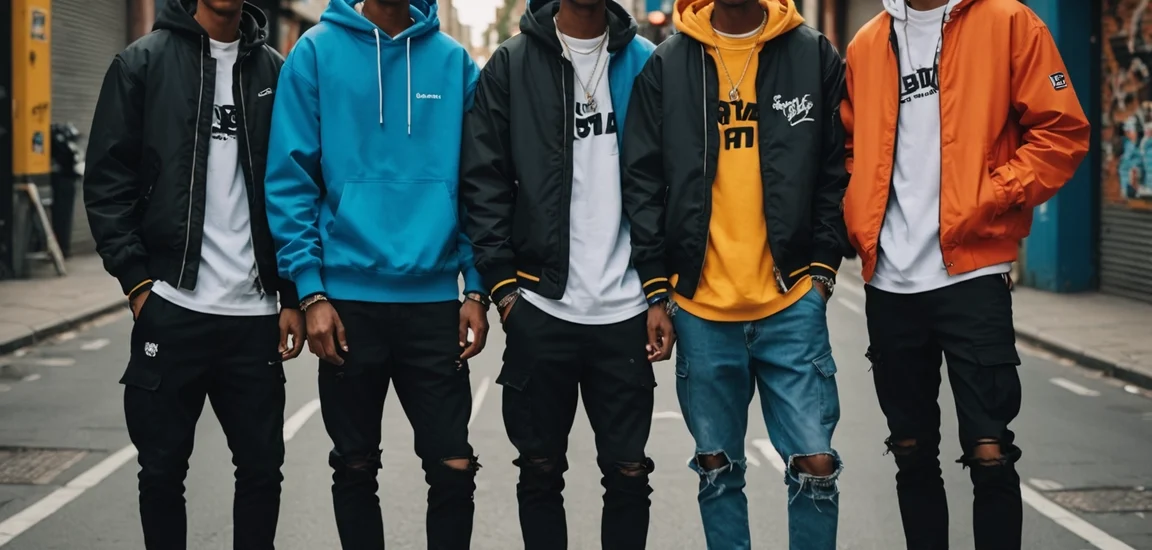
Urban streetwear is more than a fashion trend—it’s a cultural language. Born from the streets and shaped by music, art, sports, and social movements, streetwear has grown from a niche expression of identity into a dominant force in global fashion. What began as DIY style statements in city neighborhoods now influences luxury runways, mainstream retailers, and digital culture alike.
Streetwear emerged in the late 20th century from urban centers like New York, Los Angeles, and Tokyo. It was heavily influenced by skate culture, hip-hop, graffiti, and basketball—communities where self-expression mattered more than traditional fashion rules. Early adopters weren’t following designers; they were the designers, mixing oversized tees, sneakers, hoodies, and caps to create looks that felt authentic to their lived experiences.
Brands such as Stüssy, Supreme, FUBU, and later BAPE didn’t just sell clothes—they sold belonging. Wearing these pieces signaled alignment with a culture, a mindset, and often a resistance to mainstream fashion norms.
At its core, streetwear is about identity. Fit, silhouette, and logo placement all communicate something about the wearer. Oversized cuts can suggest comfort and confidence; limited-edition drops signal insider status; worn sneakers may reflect authenticity over polish.
Streetwear also thrives on storytelling. Every graphic tee, patch, or embroidery often references music, politics, or neighborhood history. In this way, urban fashion becomes wearable commentary—personal yet collective.
No discussion of streetwear is complete without sneakers. From Air Jordans to Yeezys to classic Vans and Air Force 1s, footwear is the backbone of urban style. Sneaker culture introduced ideas like “drops,” reselling, and hype—concepts that would later reshape the entire fashion industry.
Sneakers bridge function and fashion. They’re rooted in sports and movement but elevated through design, collaboration, and scarcity. For many, the right pair of sneakers defines an outfit.
In the past decade, the line between streetwear and high fashion has nearly disappeared. Luxury houses now collaborate with streetwear brands, artists, and athletes. Hoodies, cargo pants, and graphic tees—once dismissed as casual—now appear on runways in Paris and Milan.
Designers like Virgil Abloh, Kim Jones, and brands like Off-White and Fear of God helped legitimize streetwear in luxury spaces without stripping it of its cultural roots. This crossover reflects a broader shift: fashion listening to the streets rather than dictating from above.
Streetwear’s rise is inseparable from the internet. Instagram, TikTok, and online forums allow trends to spread instantly and globally. A fit posted on a city street can inspire someone across the world within minutes.
Yet, despite its global reach, streetwear remains deeply local. Pop-up shops, skate parks, music venues, and neighborhood creatives continue to shape what’s next. Community still matters—and authenticity is quickly recognized (or rejected).
As streetwear matures, it faces new challenges: sustainability, over-commercialization, and cultural dilution. In response, many emerging brands are focusing on ethical production, smaller runs, and storytelling rooted in real communities.
The future of urban streetwear lies in balance—honoring its rebellious, grassroots origins while adapting to a rapidly changing world. As long as cities continue to evolve and voices continue to push for expression, streetwear will remain relevant.
Urban streetwear isn’t just about what you wear—it’s about where you come from, what you stand for, and how you move through the world. It’s fashion that listens, reacts, and speaks back. From the sidewalk to the runway, streetwear proves that style with substance never goes out of f